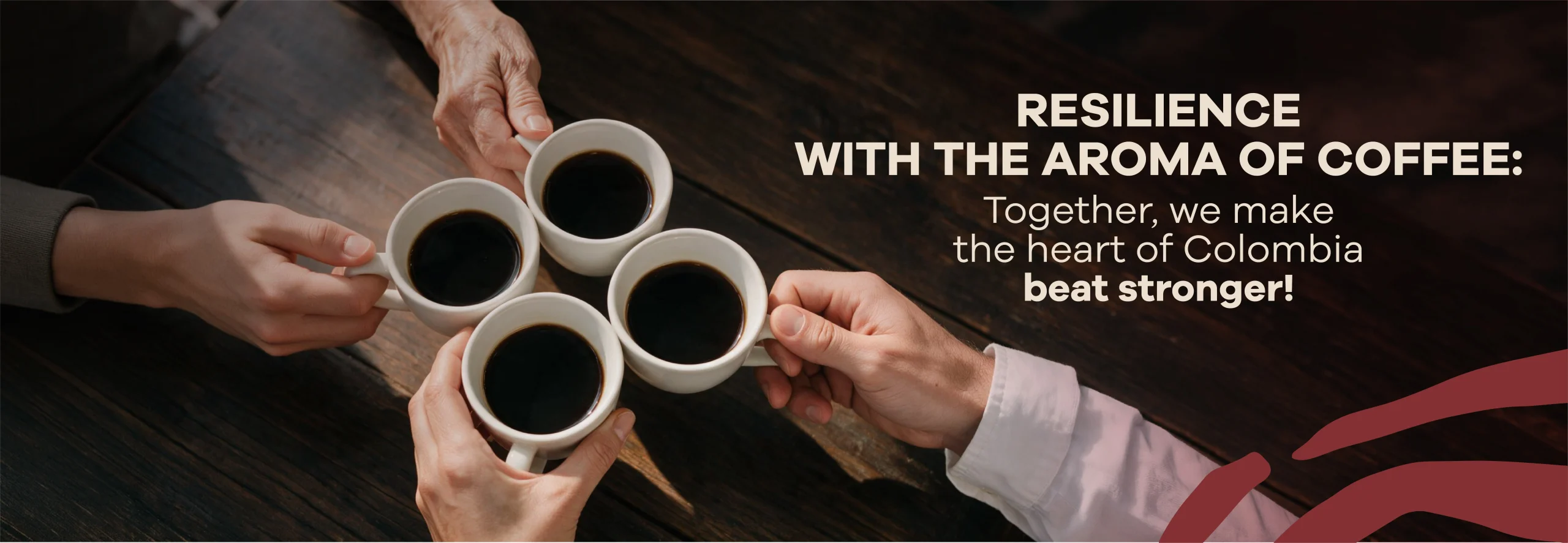
Resilience with the Aroma of Coffee
Following the earthquake in Colombia’s Coffee Region, Buencafé resumes 100% of operations and unites to support the reconstruction of local coffee growers.
Buencafé celebrated its fifty-second anniversary of foundation, during which time it has conquered the palates of more than 60 countries with the flavor and aroma of 100% Colombian freeze-dried coffee.
In its more than 5 decades of history, Buencafé has managed not only to establish itself as one of the great national and international referents of the industry, but also as one of the most beloved companies of international stature in the department of Caldas and the coffee growing region due to its excellent practices and the incorporation of high technology and a great dose of innovation to continue adding value to the work of the more than 556,000 coffee growing families of Colombia.
In 2024 Buencafé sold 123 million units between jars and bags, this translates into approximately 11,238 tons of 100% Colombian freeze-dried coffee consumed around the world, and this is not at all strange when we consider that Buencafé produces close to 24 million cups of coffee per day. To this day, the company of Colombian coffee growers continues to be the only one specialized in processing 100% Colombian Arabica coffee.
We invite you all to join us in this celebration by toasting with a delicious 100% Colombian freeze-dried coffee.
Happy Birthday, Buencafé!

Following the earthquake in Colombia’s Coffee Region, Buencafé resumes 100% of operations and unites to support the reconstruction of local coffee growers.
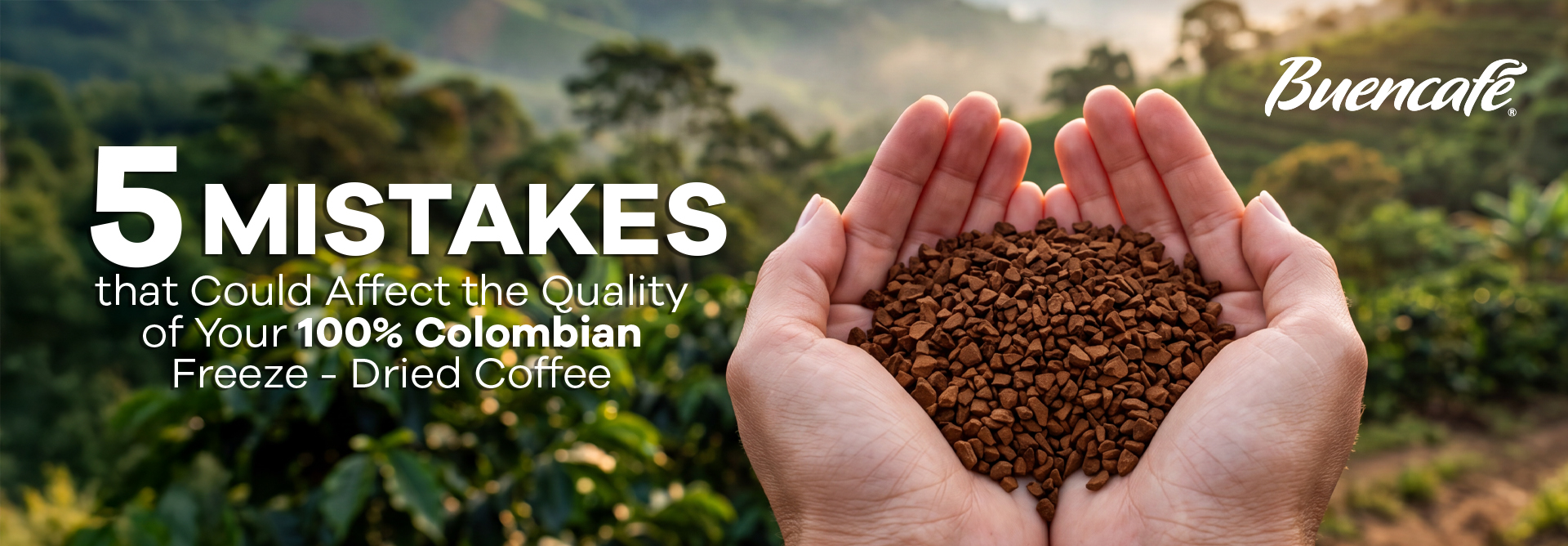
Although freeze-drying is known for preserving coffee’s aroma, flavor, and natural characteristics through its carefully controlled production process, its quality also depends on how it is stored and prepared. Here are five common mistakes that could affect your coffee—and the best ways to avoid them.
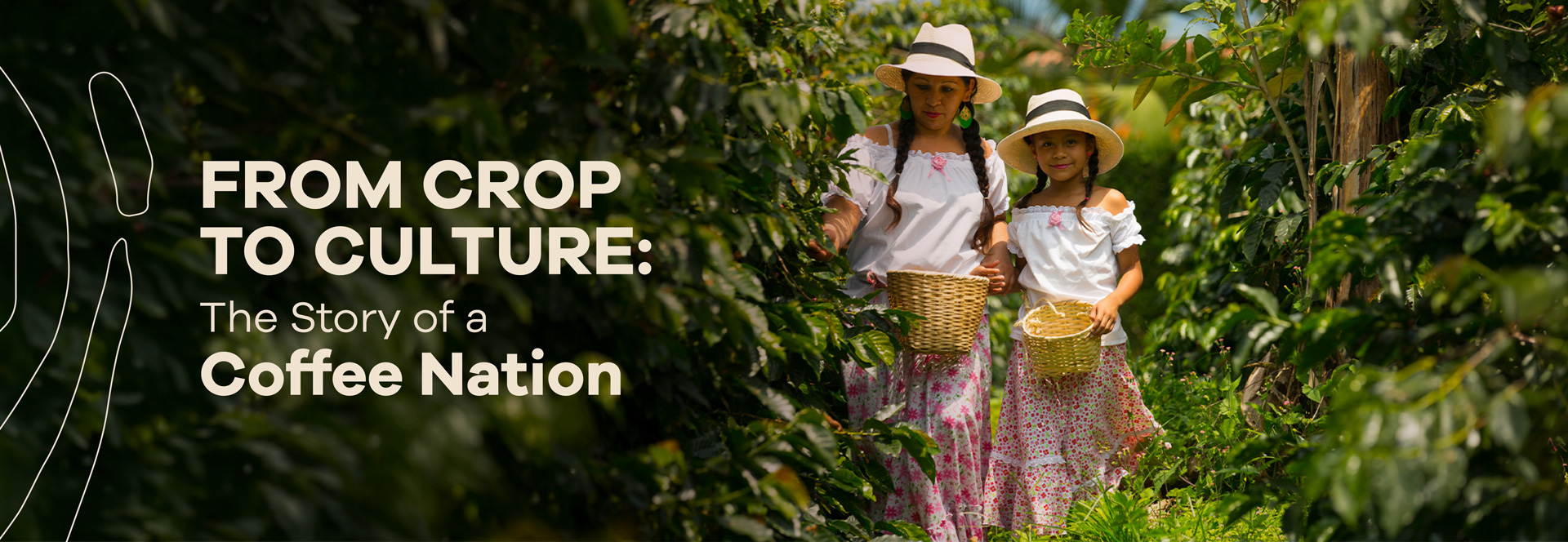
It is undeniable that, although Colombia is also a producer of cocoa, sugarcane, tobacco, cotton, bananas, and rice, nothing represents the country to the rest of the world quite like coffee. How did a bean that is not native to Colombia become one of the strongest symbols of its culture?