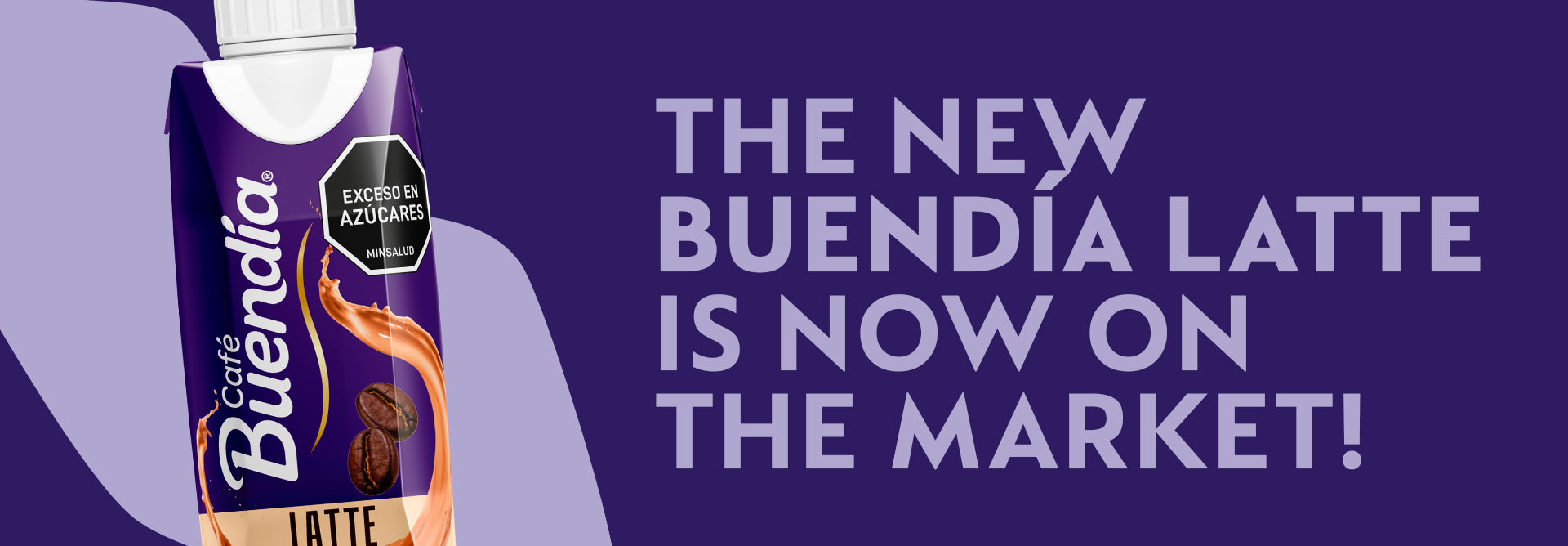
The New Buendía Latte is Now on the Market!

The new product from the Buendía brand, the Buendía Latte, was officially presented during the closing of the 93rd National Coffee Congress. The product, which has already been launched on the market, comes in a 250-milliliter container and has a suggested price of approximately 6,000 pesos.

“This is a very large category globally, worth more than 35 billion dollars. Here in Colombia and Latin America, this market is just starting to take off,” said Mauricio Trujillo Díaz, manager of Buencafé, for whom the Buendía Latte could be the way for the coffee market to appeal to younger audiences. “You can carry it with you, consume part of it, then close it again, and this will encourage young people to demand it.”

The decision to renew coffee consumption dynamics is not an impulsive one. It is based on market research and the development of a product that adapts to a global trend: 60% of young people worldwide drink cold coffee, as they prefer it over hot coffee. This thesis is supported when media outlets like Portafolio magazine headline with “Young people are more inclined to drink coffee; regular coffee is no longer the ‘king’.”

The goal of this product, a first for the brand, is to encourage new generations to consume coffee in a different way and to foster various consumption methods.

For Buencafé and for the National Federation of Coffee Growers in general, the launch of Buendía Latte is a strong step toward the ongoing renewal of the market, which must adapt not only to technologies and innovations in production and sustainability but also to the new consumption dynamics of a rapidly changing globalized world.

Related
Articles

BLOG/CAFÉ

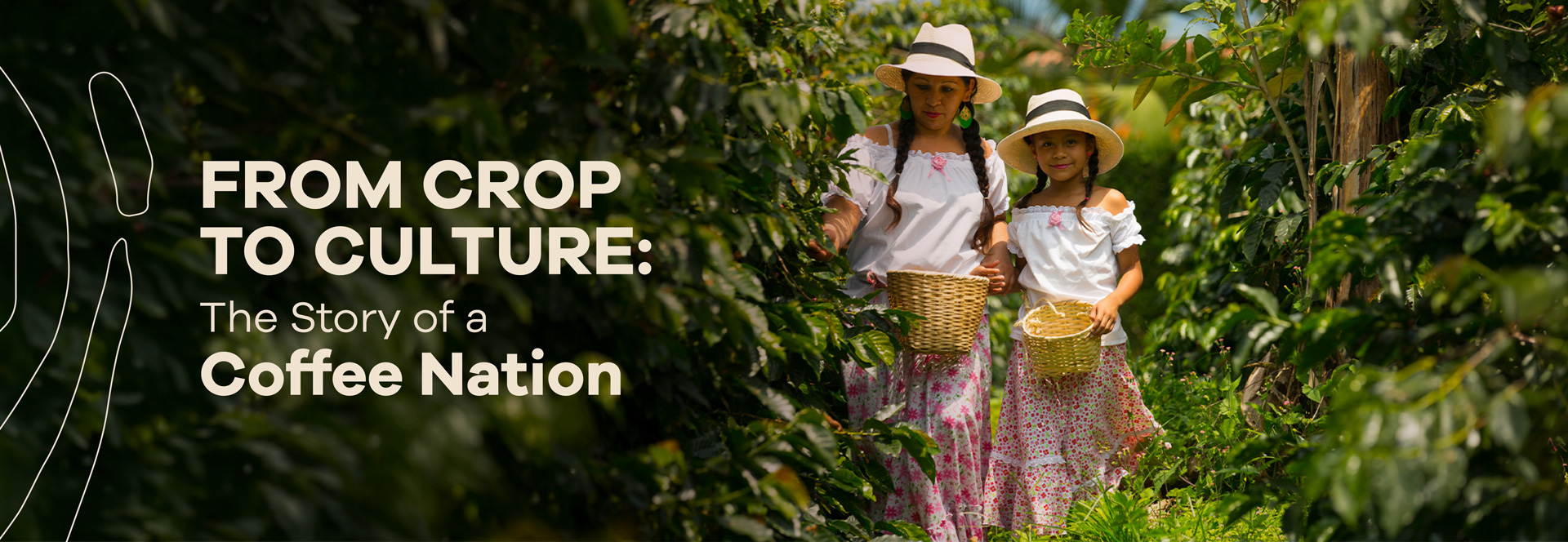
From Crop to Culture: The Story of a Coffee Nation

It is undeniable that, although Colombia is also a producer of cocoa, sugarcane, tobacco, cotton, bananas, and rice, nothing represents the country to the rest of the world quite like coffee. How did a bean that is not native to Colombia become one of the strongest symbols of its culture?

read more »