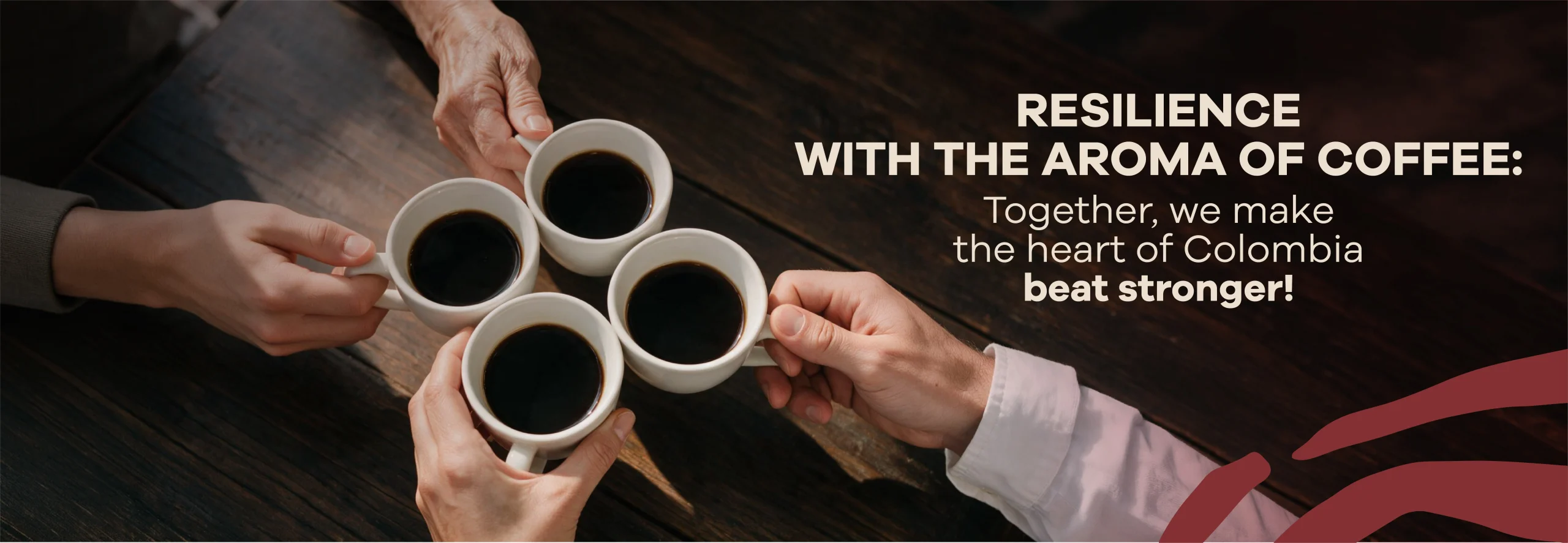
Resilience with the Aroma of Coffee
Following the earthquake in Colombia’s Coffee Region, Buencafé resumes 100% of operations and unites to support the reconstruction of local coffee growers.
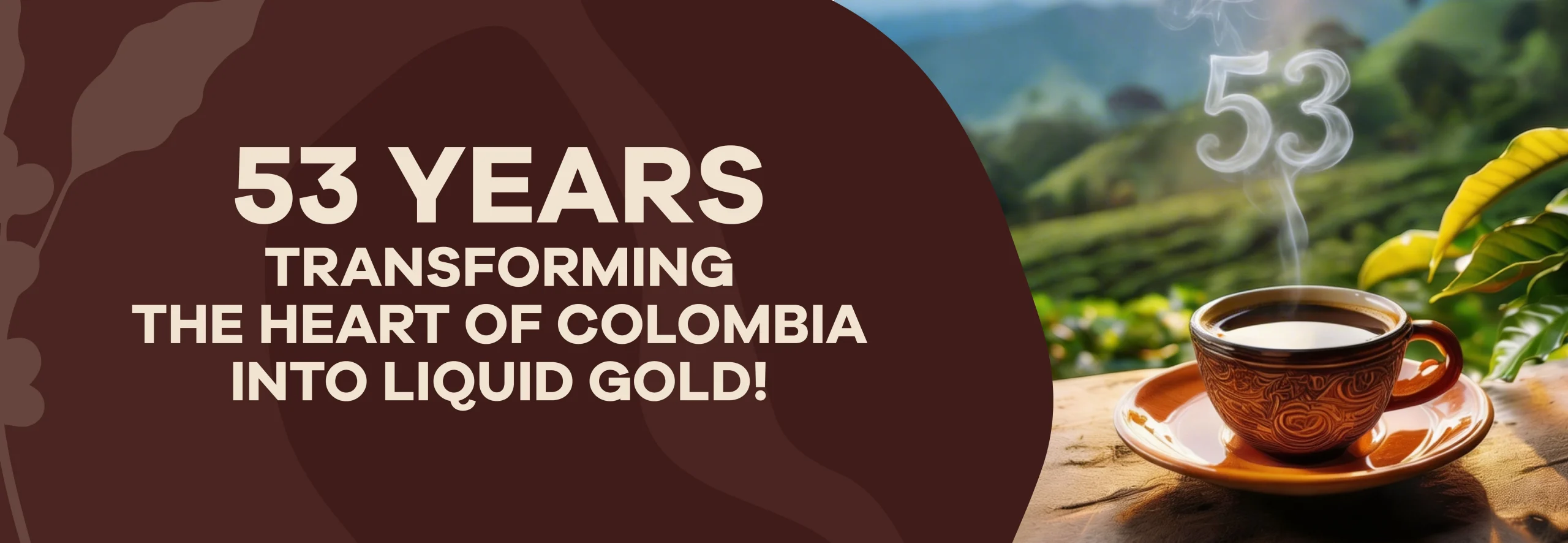
Did you know that when you open a jar of 100% Colombian freeze-dried coffee somewhere in a distant corner of Asia or Europe, you’re very likely releasing the aroma of Colombia’s mountains?
This month, we’re celebrating. Buencafé turns 53 years of being much more than a factory—it is the engine that transforms the effort of our coffee growers into a premium global experience.
This is not your typical “instant coffee.” It’s technical magic. Unlike other processes, freeze-drying uses low temperatures to remove water from the coffee extract, delivering an exceptional result: coffee crystals that fully preserve the notes, body, and that heavenly aroma only 100% Colombian coffee can offer.
What began as a dream of the National Federation of Coffee Growers in 1973 is now a reality that crosses borders.
Reaching more than half a century is not just about time—it’s about evolution. Buencafé has led the industry with processes that respect the environment, optimizing water and energy use, ensuring that today’s coffee does not compromise tomorrow’s planet.
Today, we celebrate 53 years of innovation, resilience, and, above all, respect for the coffee grower. Because behind every crystal of freeze-dried coffee lies the sweat, hope, and smiles of those who cultivate the very best of our land.
Happy 53rd anniversary, Buencafé! May there be many more years bringing the essence of Colombia to the world.

Following the earthquake in Colombia’s Coffee Region, Buencafé resumes 100% of operations and unites to support the reconstruction of local coffee growers.
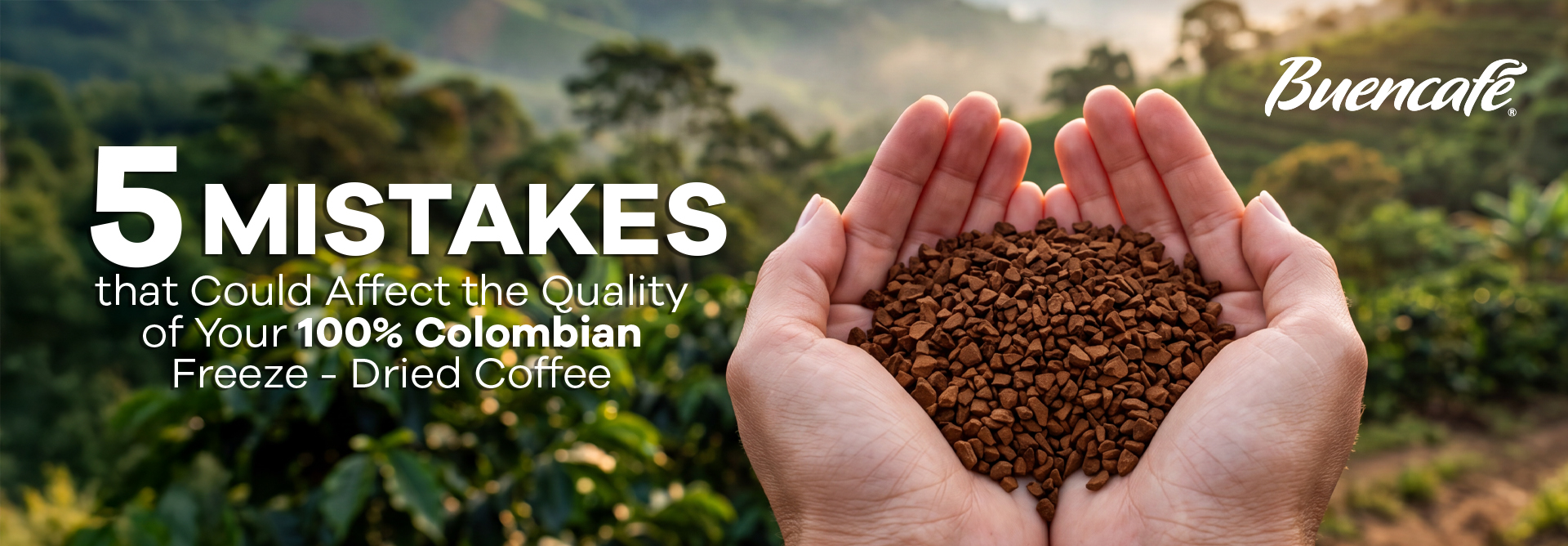
Although freeze-drying is known for preserving coffee’s aroma, flavor, and natural characteristics through its carefully controlled production process, its quality also depends on how it is stored and prepared. Here are five common mistakes that could affect your coffee—and the best ways to avoid them.
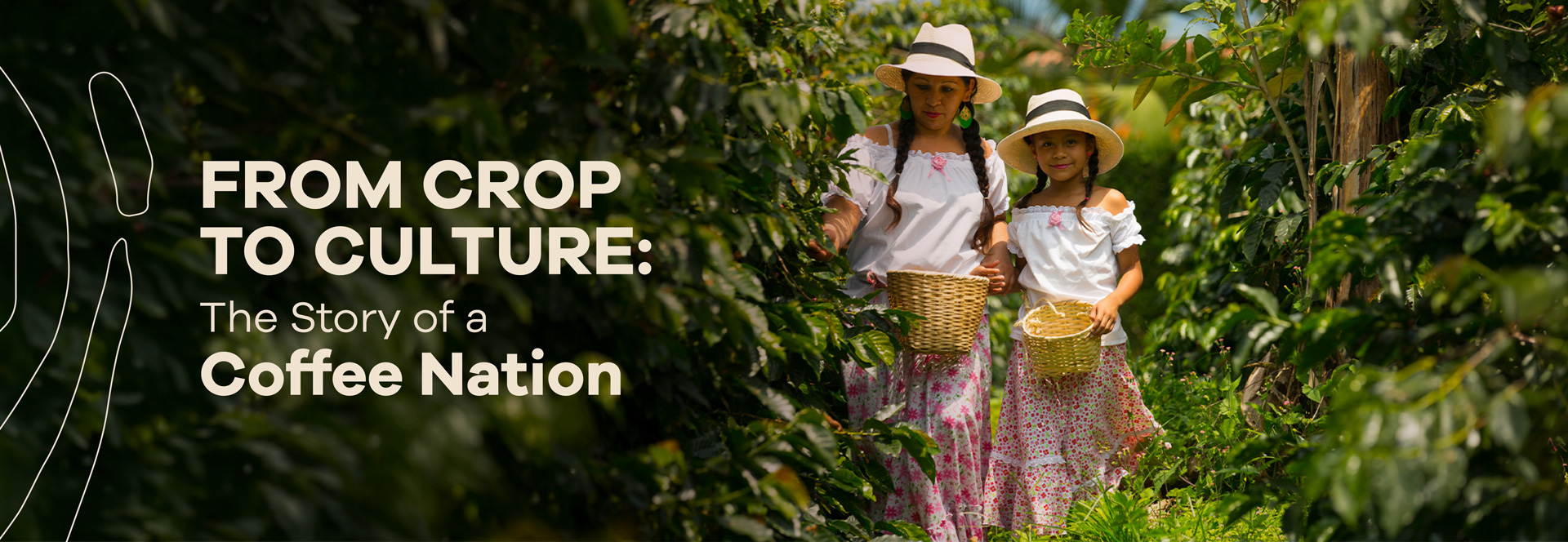
It is undeniable that, although Colombia is also a producer of cocoa, sugarcane, tobacco, cotton, bananas, and rice, nothing represents the country to the rest of the world quite like coffee. How did a bean that is not native to Colombia become one of the strongest symbols of its culture?