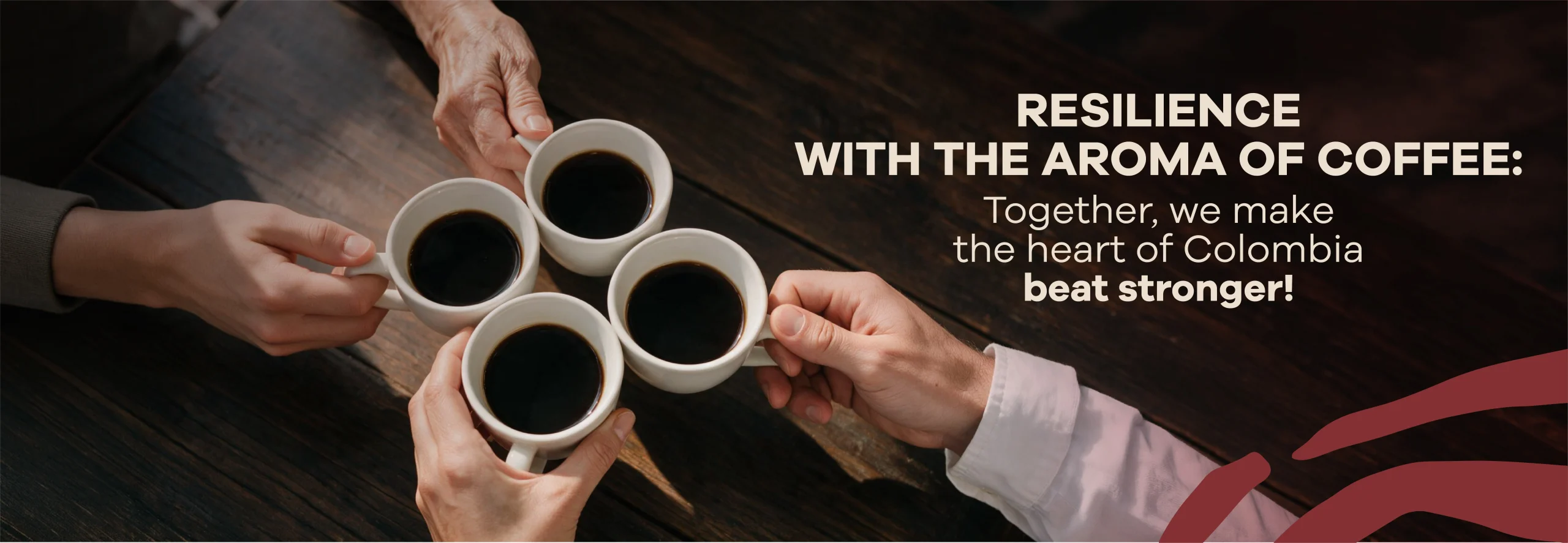
Resilience with the Aroma of Coffee
Following the earthquake in Colombia’s Coffee Region, Buencafé resumes 100% of operations and unites to support the reconstruction of local coffee growers.
The FDA is the agency of the Department of Health and Human Services of the United States government, and this year announced its decision to declare coffee as a healthy beverage, which is based on several investigations that highlight the benefits of coffee consumption, among which are the reduction of the risk of suffering multiple types of cancer, It has also been identified that coffee has a positive impact on the mental health and brain function of its consumers and is often attributed with preventive powers in the reduction of heart disease, Parkinson’s disease, stimulates metabolism and other neuronal diseases.
The FDA is one of the most credible entities when it comes to talking about the impacts (positive and negative) that a given drug, vaccine, biological product, medical device, cosmetic or food may have on people’s health.
Buencafé, the 100% Colombian freeze-dried coffee brand celebrates and is proud of this declaration. May this be one more reason to continue enjoying the flavor and aroma of a 100% Colombian freeze-dried coffee with the tranquility of knowing that it is a healthy habit. This news should be celebrated with a cup of coffee, as this declaration could influence consumption trends, encouraging more people to incorporate coffee in their daily diet as part of a healthy lifestyle, positively impacting the coffee industry.

Following the earthquake in Colombia’s Coffee Region, Buencafé resumes 100% of operations and unites to support the reconstruction of local coffee growers.
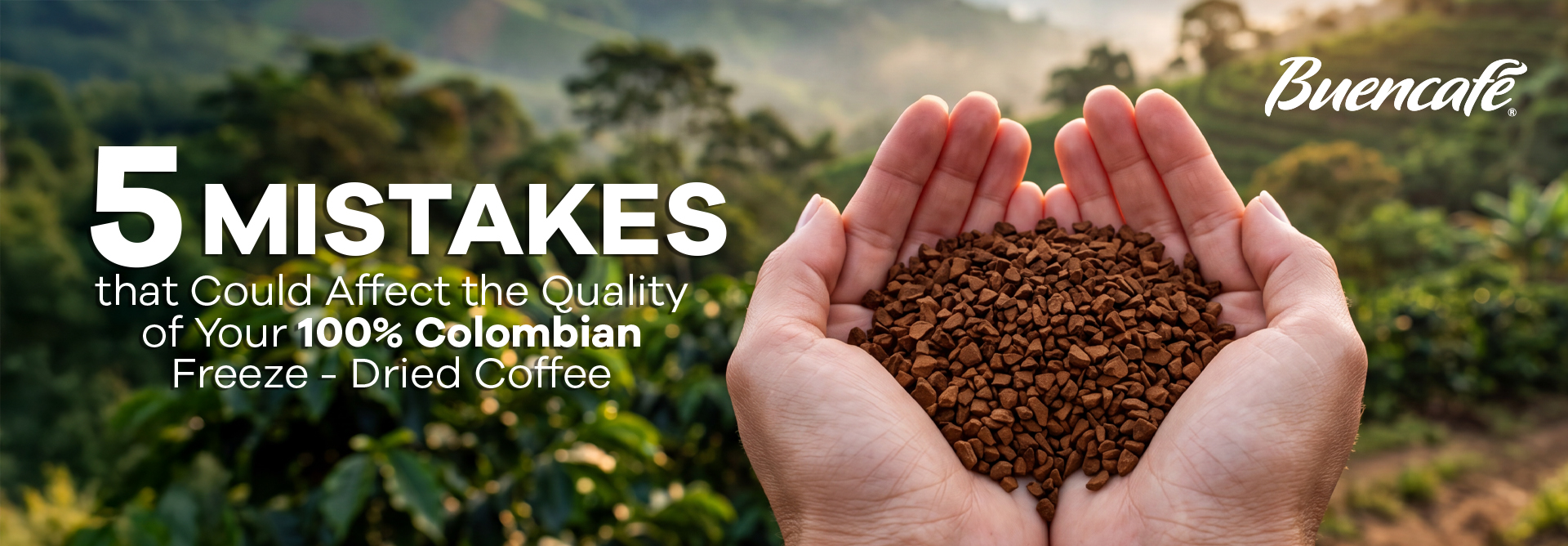
Although freeze-drying is known for preserving coffee’s aroma, flavor, and natural characteristics through its carefully controlled production process, its quality also depends on how it is stored and prepared. Here are five common mistakes that could affect your coffee—and the best ways to avoid them.
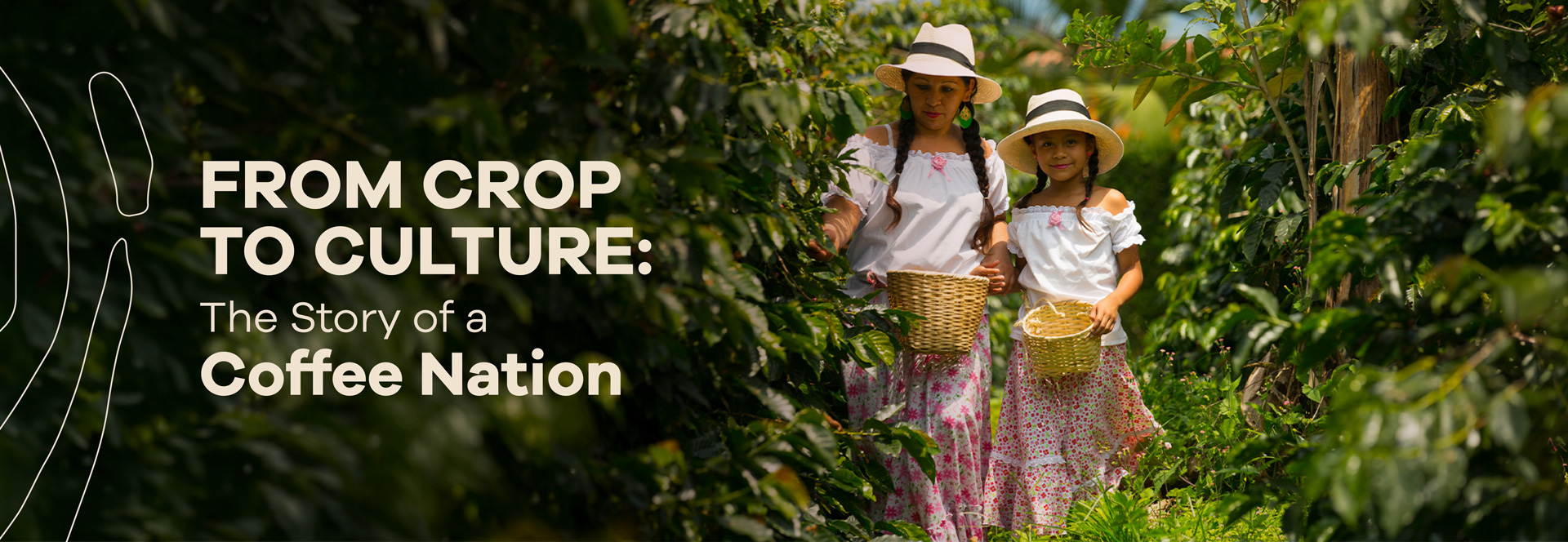
It is undeniable that, although Colombia is also a producer of cocoa, sugarcane, tobacco, cotton, bananas, and rice, nothing represents the country to the rest of the world quite like coffee. How did a bean that is not native to Colombia become one of the strongest symbols of its culture?