
Resilience with the Aroma of Coffee
Following the earthquake in Colombia’s Coffee Region, Buencafé resumes 100% of operations and unites to support the reconstruction of local coffee growers.

On July 20, 2024, Colombia celebrates 214 years since it began its emancipation from Spanish rule. Today we’ll explore 5 ways in which coffee has contributed to the independence and consolidation of the nation.
Many elements of our culture are a legacy of colonial times. Interestingly, some of these elements were also pivotal in the independence process, and coffee is one of them. For instance, the first coffee crops documented in Colombia appeared in the Orinoquía region in 1730, thanks to the Jesuits, following the arrival of the first beans in New Granada carried by travelers from the Guianas through Venezuela. Over the years, coffee cultivation spread to regions like Santander and Boyacá, as evidenced by reports presented to the Spanish crown in the mid-18th century. These reports indicated that coffee was already an important export product, although it primarily met the demand of Spain, France, and England.
Of course, the wars of independence across Latin America from 1810 to 1830 were not just about control over state structures and bureaucratic power; they also involved struggles over land ownership, and Colombia was no exception. Lands formerly held by the viceroyalty came into the possession of the criollos, the Catholic Church, and, to a lesser extent, mestizos. Many of them continued to expand coffee cultivation in the country. One notable figure was the Jesuit priest Francisco Romero, known as the father of coffee in Colombia, who reportedly played a crucial role in expanding coffee production. Legend has it that congregants in Salazar de las Palmas were required to plant a certain amount of coffee beans for each confessed sin, thereby contributing to coffee’s spread. By the mid-19th century, coffee cultivation had reached central and western Colombia through regions like Cundinamarca, Antioquia, and Caldas.
Having been present before, during, and after the entire process, we now present 5 ways in which coffee influenced Colombian independence:

Following the earthquake in Colombia’s Coffee Region, Buencafé resumes 100% of operations and unites to support the reconstruction of local coffee growers.
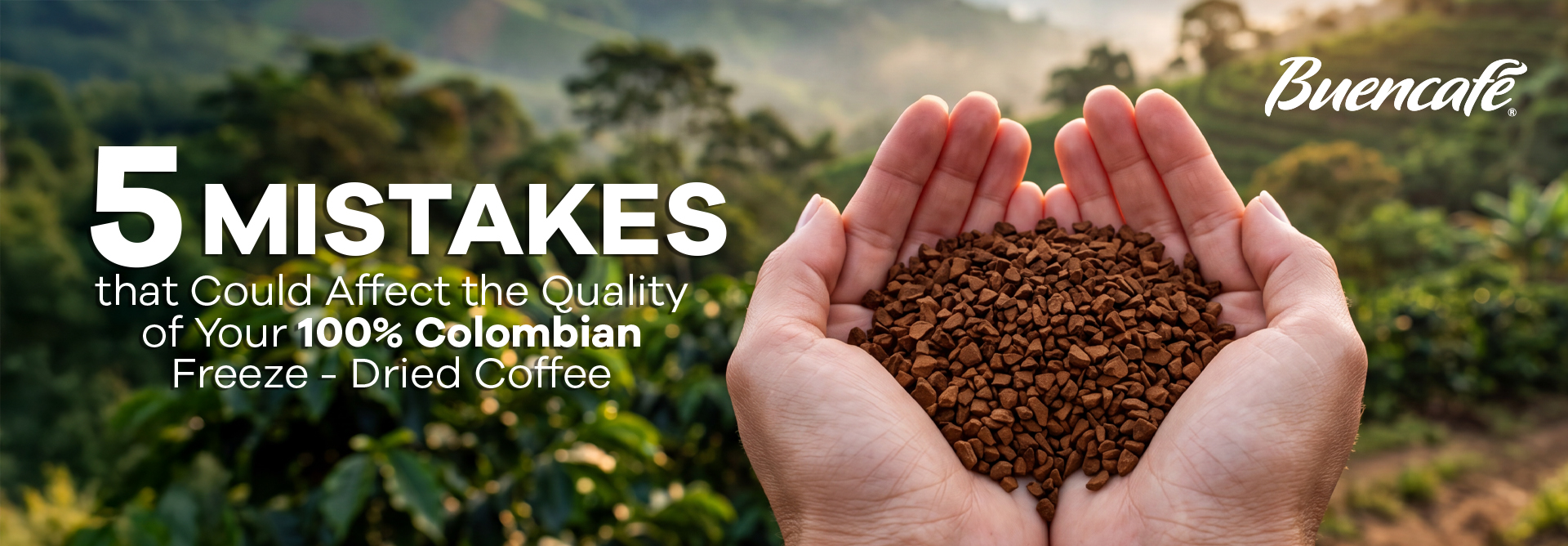
Although freeze-drying is known for preserving coffee’s aroma, flavor, and natural characteristics through its carefully controlled production process, its quality also depends on how it is stored and prepared. Here are five common mistakes that could affect your coffee—and the best ways to avoid them.
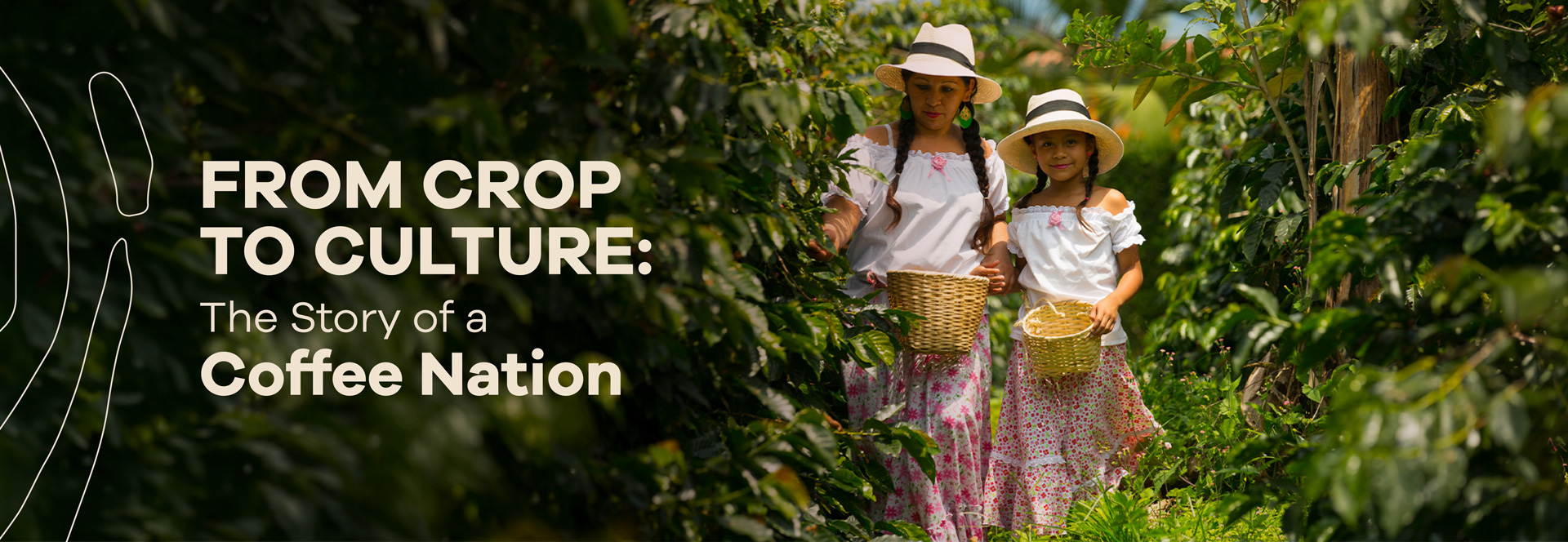
It is undeniable that, although Colombia is also a producer of cocoa, sugarcane, tobacco, cotton, bananas, and rice, nothing represents the country to the rest of the world quite like coffee. How did a bean that is not native to Colombia become one of the strongest symbols of its culture?